
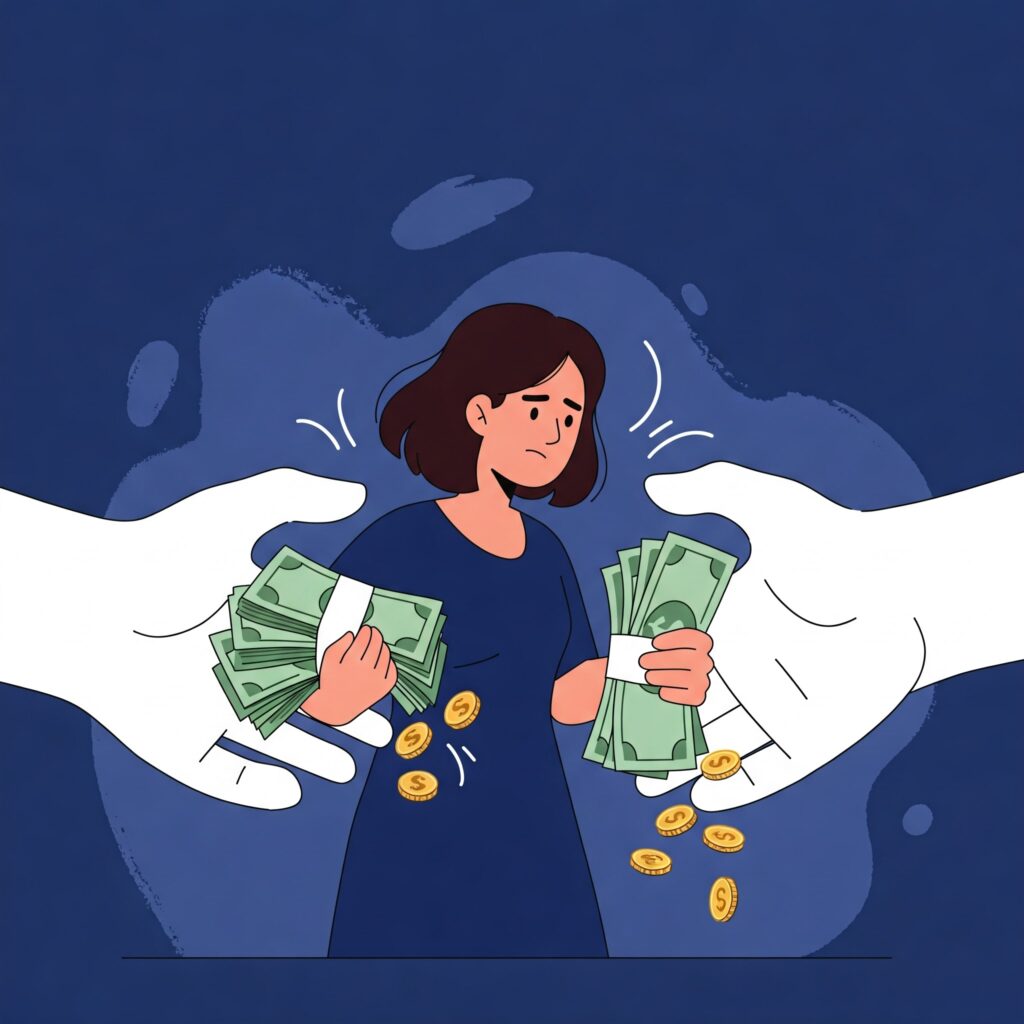
Are you giving too much commission to English Teaching platforms? The Commission Question

So, you're an English teacher looking to make some extra cash or maybe even build a full-time career online. You've probably explored the numerous online teaching platforms out there, each promising a steady stream of students and the freedom to work from anywhere. But have you stopped to really consider what you're giving up in the process? The dirty little secret of many online teaching platforms is the hefty commission they take from your hard-earned pay.
While these platforms offer a valuable service – connecting teachers with students across the globe – the commission structures can often leave teachers feeling like they're getting the short end of the stick. We're talking about commissions that can range anywhere from 15% to a staggering 60% or even more in some cases! Think about that for a second. For every $100 you earn, you could be losing a significant chunk of it, sometimes over half, just for the platform's "services."
Why are commissions so high?
Platforms justify these high commissions with a variety of reasons. They argue that they handle marketing, student acquisition, payment processing, platform maintenance, and customer support. And while these are legitimate costs, the question remains: are they really worth such a large percentage of your income?
The Impact on Teachers:
These high commissions have a real impact on teachers. They can:
- Limit earning potential: The most obvious impact is that you take home less money. This can make it difficult to earn a decent living, especially for those relying solely on online teaching.
- Force higher rates: To compensate for the commission, teachers often have to charge higher rates, which can make them less competitive in the market and potentially deter students.
- Create a sense of unfairness: Many teachers feel that the commission structure is unfair, especially when they are the ones doing the bulk of the work – lesson planning, teaching, and student communication.
- Hinder growth and investment: With a smaller percentage of their earnings, teachers have less money to invest in professional development, teaching materials, or marketing themselves.
Are there alternatives?
While platform teaching can be a convenient starting point, it's crucial to explore other options. Consider:
- Building your own website: This requires more effort, but it gives you complete control over your rates and earnings.
- Freelancing platforms: Some platforms cater specifically to freelancers, often with lower commission rates than dedicated teaching platforms. For example, platforms like profesoringles.net often operate with significantly lower commission structures, allowing teachers to retain a larger portion of their earnings. It's always wise to research and compare different platforms to find the best fit for your needs.
- Directly marketing yourself: Utilize social media, networking, and word-of-mouth to find your own students.
The Bottom Line:
Before you commit to a teaching platform, carefully review their commission structure. Don't be afraid to ask questions and negotiate. Remember, you are providing a valuable service, and you deserve to be compensated fairly. While platforms can be a useful tool, it's essential to understand the costs involved and explore all available options to maximize your earning potential. Don't let high commissions take a bigger bite out of your income than they should. Do your research, know your worth, and choose the path that best supports your career goals.
What are your experiences with commission rates on online teaching platforms? Share your thoughts and advice in the comments below!
I'm an English teacher from Cordoba, Argentina. I studied at the university in Córdoba and graduated some years ago. Today, I'm running a postgraduate career in applied linguistics.
Nowadays I'm teaching English online. That's why I'm looking for new students.